Quran & Sunnah

Guiding humanity with the teachings of Islam, promoting justice, harmony, and a better future for all.

Constitution

Manifesto

Books

Leadership

History

Introduction
What Makes Jamaat-e-Islami Distinct?

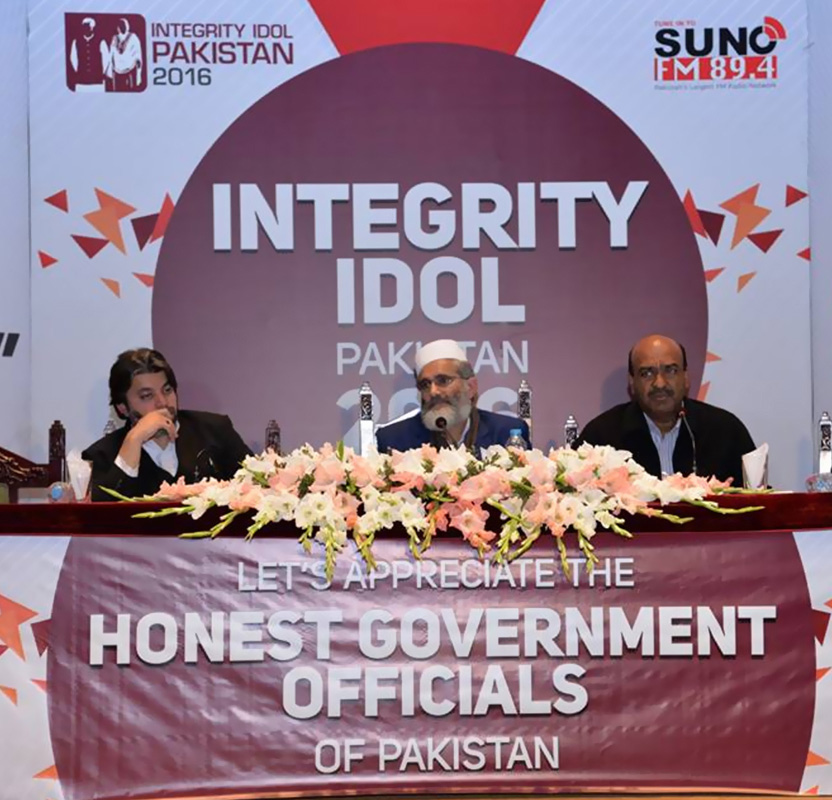
Jamaat-e-Islami has the distinction that people—whether close or distant—trust it and entrust their responsibilities and assets to it. While Jamaat-e-Islami believes in character-building, it also has an internal system of accountability that is activated automatically and, in case of any shortcomings, carries out the duty of correction and reform. This is why, both within the organization and outside it, whenever responsibilities are entrusted to Jamaat’s affiliates, they set an example of trustworthiness and integrity.

More than one thousand Jamaat-e-Islami affiliates have served in the Senate, the National and Provincial Assemblies, and local government institutions. Whether in provincial ministries or district administrations, their performance has not only been exemplary, but they have also set a benchmark in safeguarding the nation’s trust and ensuring its proper use—something even opponents acknowledge and testify to. Although budgets worth billions of rupees remained under their authority, not even their critics have been able to level an allegation of corruption amounting to even a single penny against them.

Alhamdulillah, Jamaat-e-Islami’s affiliates have always remained distant from the politics of corruption and plunder. Their names do not appear in the Panama or Dubai leaks, nor do they appear in lists of those who routinely obtain plots or have loans written off.

Jamaat-e-Islami has the distinction that no family, individual, or group holds a monopoly within it. Its foundation rests on consultation (shura). Leadership at every level and the shura councils are elected through a democratic process, and the system is run through consultation. No one is offered a position simply because they belong to the family of an Ameer at any level; rather, members freely choose their leadership, keeping sincerity for the sake of Allah, piety, integrity, competence, and capability in view.

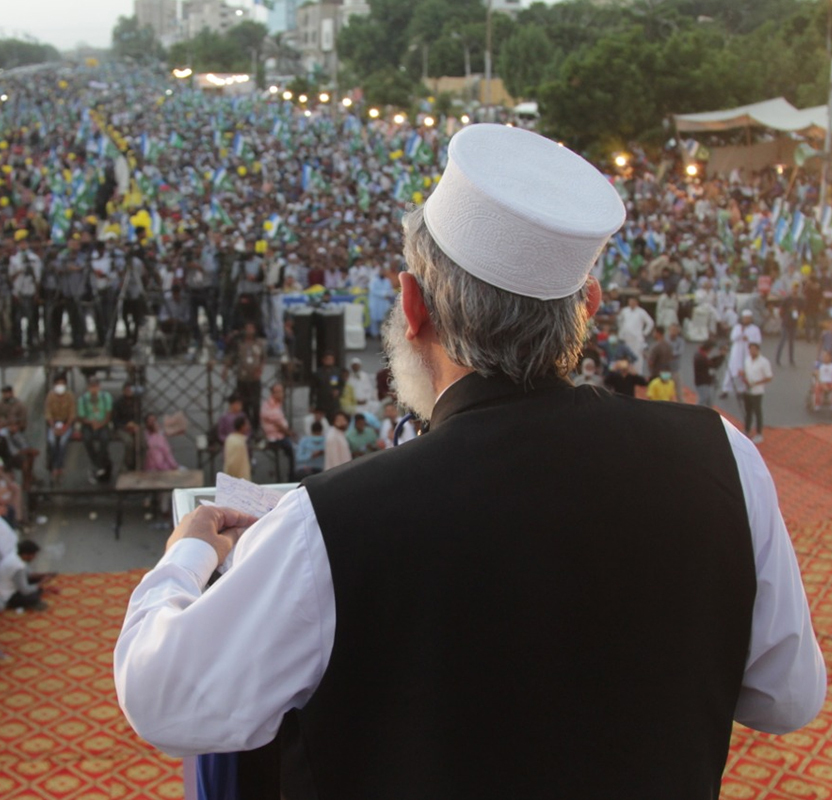
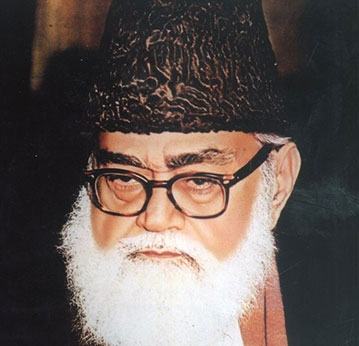
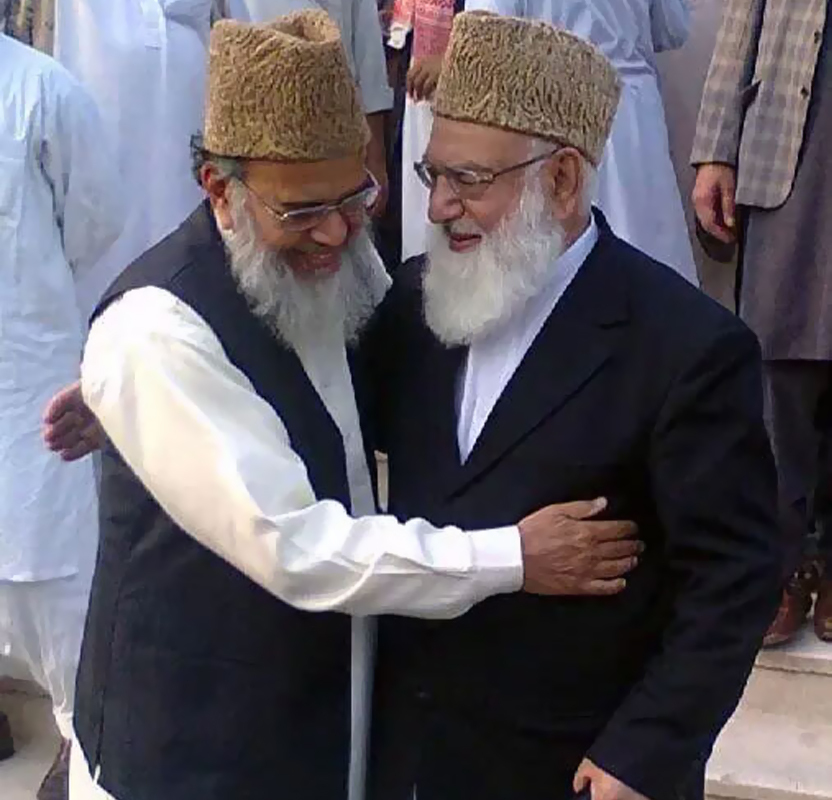
The founding Ameer of Jamaat-e-Islami, Syed Abul A‘la Maududi (may Allah have mercy on him), served as Ameer from 1941 to 1972. After him, Mian Tufail Muhammad (may Allah have mercy on him) served until 1987, Qazi Hussain Ahmad (may Allah have mercy on him) until 2009, and Syed Munawar Hassan until 2014. Since then, Siraj-ul-Haq has been carrying out the responsibilities of Ameer. None of these five Ameers has any familial, linguistic, or regional connection with one another.

Syed Abul A‘la Maududi belonged to Hyderabad Deccan and was an Urdu speaker. Mian Tufail Muhammad was from Kapurthala and his mother tongue was Punjabi. Qazi Hussain Ahmad belonged to Nowshera and his mother tongue was Pashto. Syed Munawar Hassan was born in Delhi and was an Urdu speaker, while the current Ameer, Siraj-ul-Haq, belongs to Dir and Pashto is his mother tongue.

Jamaat-e-Islami also has the distinction that anyone, on the basis of their ability and organizational commitment, can be entrusted with any responsibility.

Jamaat-e-Islami believes in bringing about change through constitutional and democratic means. For this purpose, the organization has an exemplary system of internal democracy and consultation (shura). From the Central Ameer down to the Union Council Ameer, leaders are chosen through an electoral process, and the members of the Jamaat, using their independent opinion, elect the Ameer at every level. In this respect, Jamaat-e-Islami can truly claim the distinction of being the country’s only genuinely democratic party. Within Jamaat-e-Islami, the term of the Central Ameer is five years, the Provincial Ameer three years, and the District Ameer two years. Along with this, members also elect through their votes—the central, provincial, district, and tehsil shura councils. With the consultation of the shura, the Jamaat’s policies are formulated and the organizational system is run. When electing an Ameer and members of the shura, careful consideration is given to integrity and piety, competence, performance, trustworthiness and honesty, organizational commitment, and the ability to manage Jamaat affairs. Belonging to an influential family even the Ameer’s family is not a criterion or requirement for any position or responsibility.

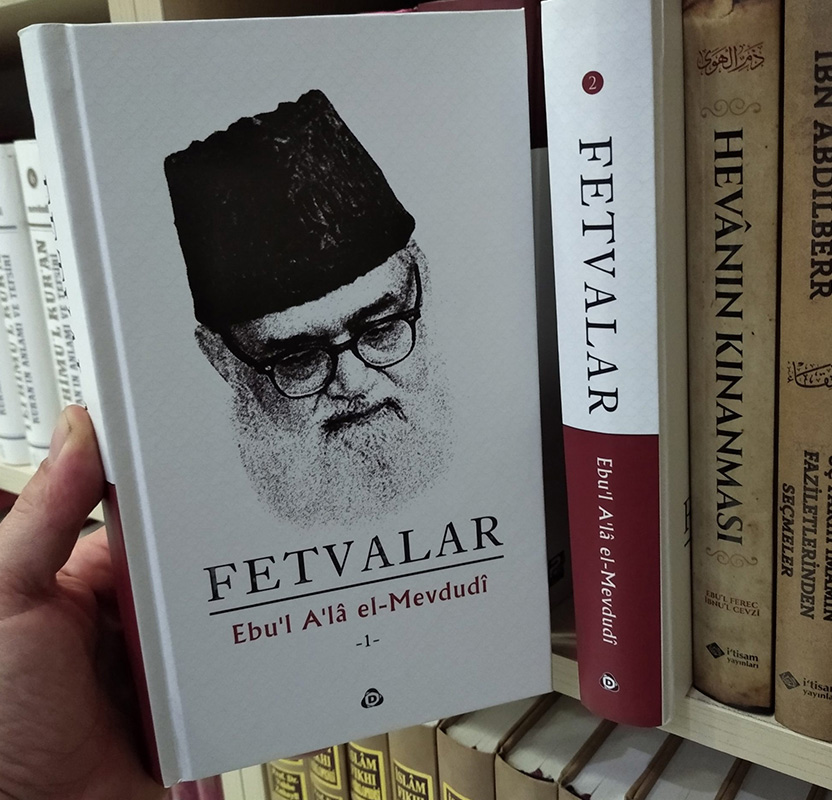
Syed Abul A‘la Maududi (may Allah have mercy on him), a leading Islamic thinker, presented the concept of establishing دين (the Islamic way of life) and Islam as a complete code of life. The vision he put forward—through his writings and practical struggle—for the supremacy of دين and the implementation of an Islamic system not only influenced the Muslims of the Indo‑Pak subcontinent, Bangladesh, Kashmir, and Sri Lanka and transformed the direction of their lives, but also produced worldwide effects.

From Turkey to Egypt, from Asia to Africa, and from the Arab world to the West, there is hardly any part of the world where the impact of this thought has not reached. Islamic movements and Muslims across the globe have benefited from this ideology and intellectual framework. It not only changed the lives of millions, but also strengthened the struggle for the establishment of an Islamic system—effects of which can be seen today in different countries.

At the global level, Jamaat-e-Islami supports brotherly relations among Muslims and seeks their strength and progress. It also advocates building relations with all countries of the world on the basis of mutual respect, equality, and justice.

Jamaat-e-Islami is an Islamic movement founded by Abul Ala Maududi on 26 August 1941. It began with a small group of dedicated individuals and gradually developed into a global movement. Today, its influence can be seen in many parts of the world where people work for Islamic values, justice, and social reform.

The movement aims to guide individuals and society according to the teachings of Islam. Jamaat-e-Islami believes that Islam is not limited to personal worship only, but it provides complete guidance for every aspect of life including morality, education, politics, economy, and social welfare. The organization encourages people to follow honesty, discipline, justice, and responsibility in their daily lives.

Jamaat-e-Islami also works for educational development, humanitarian services, youth training, and welfare activities. It strives to build a peaceful and morally strong society where human rights, equality, and justice are protected. Through its efforts, the movement continues to spread awareness about Islamic teachings and encourages positive change within society.

Pakistan was created in the name of Islam, and Jamaat-e-Islami believes that the country should progress according to Islamic principles. The movement works for the stability, prosperity, and moral development of society while promoting unity, peace, and social harmony among people.

Manifesto

Islamic Republic of Pakistan

Prosperous Provinces

Ensure balanced development and effective governance across all provinces of Pakistan

Islamic Pakistan

Strengthening Pakistan as a sovereign Islamic state based on the principles of Islam.

Democratic Pakistan

Promote a strong democracy with freedom, justice, and equal rights for all citizens.

Prosperous Youth

Support youth through opportunities for education, employment, skills, and healthy activities.

Strong Economy and Governance

Stabilize and strengthen Pakistan’s economy through sustainable growth and reforms.

Prosperous and Secure Women

Empower women through education, protection, and equal rights within Islamic principles.

For a Prosperous Pakistan

Jamaat-e-Islami’s Manifesto

Latest News

Quote

“Establish Prayer and Seek Allah’s Help”

“For the Establishment of Deen, Enforcement of Shariah, and Implementation of Allah’s Hudood, Rulers Are Needed”

“Why Has the Muslim Ummah Become Negligent/Sluggish?”

Hadith of the Day

Daily Qur’an

For real change in this country, vote for Jamaat-e-Islami.